Tuesday, March 30, 2010

PDF Ebook The Hidden Order of Art: A Study in the Psychology of Artistic ImaginationBy Anton Ehrenzweig

PDF Ebook The Hidden Order of Art: A Study in the Psychology of Artistic ImaginationBy Anton Ehrenzweig

It's coming again, the new collection that this site has. To complete your inquisitiveness, we offer the favorite publication as the selection today. This is a publication that will show you even brand-new to old point. Forget it; it will certainly be right for you. Well, when you are really passing away of The Hidden Order Of Art: A Study In The Psychology Of Artistic ImaginationBy Anton Ehrenzweig, simply pick it. You understand, this book is constantly making the followers to be dizzy otherwise to find.

The Hidden Order of Art: A Study in the Psychology of Artistic ImaginationBy Anton Ehrenzweig

The Hidden Order of Art: A Study in the Psychology of Artistic ImaginationBy Anton Ehrenzweig


The Hidden Order of Art: A Study in the Psychology of Artistic ImaginationBy Anton Ehrenzweig


PDF Ebook The Hidden Order of Art: A Study in the Psychology of Artistic ImaginationBy Anton Ehrenzweig

When I'm preferred to review something, I wish to search for at certain book. Today, I'm still puzzled of what sort of book that can aid me make wish of this time. Do you feel the very same? Wait, can everybody tell me what to choose to amuse my lonesome as well as downtime? What kind of book is actually recommended? Such a difficult thing, this is exactly what you and I most likely feel when having a lot more extra time and also have no concept to check out.

Why should be this book? It's all that you require now. Or perhaps you do not require the message of this publication straight currently, you can discover the advantage some day. Someday, you will certainly really feel that you are actually lucky to find The Hidden Order Of Art: A Study In The Psychology Of Artistic ImaginationBy Anton Ehrenzweig as one of your reading products. If you start to feel it, perhaps, you cannot advise all about this publication and also can not find where this publication is. Hence, you could check out once more this publication in this site, an internet site with million catalogues of guides.

One to remember when going to read this book is setting the time perfectly. Never try it in your rushed time, naturally it could disrupt you not to get bad point. This book is extremely proffered as it has different method to tell and also clarify to the readers, from nonetheless concerning this book materials. You might feel in the beginning about exactly what type of realities to give in this The Hidden Order Of Art: A Study In The Psychology Of Artistic ImaginationBy Anton Ehrenzweig, but for certain, it will certainly go through for others.

Yeah, the web content of this book has very easy words, simple language styles, and very easy feeling to comprehend. When you have located this suggested book to check out, one to do is just by checking it in the web link and also get it. You have to begin as soon as possible because there are likewise many individuals who have actually obtained and also read The Hidden Order Of Art: A Study In The Psychology Of Artistic ImaginationBy Anton Ehrenzweig So, you will certainly not be left back to understand more regarding this publication web content.

The Hidden Order of Art: A Study in the Psychology of Artistic ImaginationBy Anton Ehrenzweig

From the Preface:The argument of this book ranges from highly theoretical speculations to highly topical problems of modern art and practical hints for the art teacher, and it is most unlikely that I can find a reader who will feel at home on every level of the argument. But fortunately this does not really matter. The principal ideas of the book can be understood even if the reader follows only one of the many lines of the discussion. The other aspects merely add stereoscopic depth to the argument, but not really new substance. May I, then, ask the reader not to be irritated by the obscurity of some of the material, to take out from the book what appeals to him and leave the rest unread? In a way this kind of reading needs what I will call a syncretistic approach. Children can listen breathlessly to a tale of which they understand only little. In the words of William James they take 'flying leaps' over long stretches that elude their understanding and fasten on the few points that appeal to them. They are still able to profit from this incomplete understanding. This ability of understanding- and it is an ability may be due to their syncretistic capacity to comprehend a total structure rather than analysing single elements. Child art too goes for the total structure without bothering about analytic details. I myself seem to have preserved some of this ability. This enables me to read technical books with some profit even if I am not conversant with some of the technical terms. A reader who cannot take 'flying leaps' over portions of technical information which he cannot understand will become of necessity a rather narrow specialist. It is an advantage therefore to retain some of the child's syncretistic ability, in order to escape excessive specialization. This book is certainly not for the man who can digest his information only within a well-defined range of technical terms. A publisher's reader once objected to my lack of focus. What he meant was that the argument had a tendency to jump from high psychological theory to highly practical recipes for art teaching and the like; scientific jargon mixed with mundane everyday language. This kind of treatment may well appear chaotic to an orderly mind. Yet I feel quite unrepentant. I realize that the apparently chaotic and scattered structure of my writing fits the subject matter of this book, which deals with the deceptive chaos in art's vast substructure. There is a 'hidden order' in this chaos which only a properly attuned reader or art lover can grasp. All artistic structure is essentially 'polyphonic'; it evolves not in a single line of thought, but in several superimposed strands at once. Hence creativity requires a diffuse, scattered kind of attention that contradicts our normal logical habits of thinking. Is it too high a claim to say that the polyphonic argument of my book must be read with this creative type of attention? I do not think that a reader who wants to proceed on a single track will understand the complexity of art and creativity in general anyway. So why bother about him? Even the most persuasive and logical argument cannot make up for his lack of sensitivity. On the other hand I have reason to hope that a reader who is attuned to the hidden substructure of art will find no difficulty in following the diffuse and scattered structure of my exposition. There is of course an intrinsic order in the progress of the book. Like most thinking on depth-psychology it proceeds from the conscious surface to the deeper levels of the unconscious. The first chapters deal with familiar technical and professional problems of the artist. Gradually aspects move into view that defy this kind of rational analysis. For instance the plastic effects of painting (pictorial space) which are familiar to every artist and art lover tum out to be determined by deeply unconscious perceptions. They ultimately evade all conscious control. In this way a profound conflict between conscious and unconscious (spontaneous) control comes forward. The conflict proves to be akin to the conflict of single-track thought and 'polyphonic' scattered attention which I have described. Conscious thought is sharply focused and highly differentiated in its elements; the deeper we penetrate into low-level imagery and phantasy the more the single track divides and branches into unlimited directions so that in the end its structure appears chaotic. The creative thinker is capabte of alternating between differentiated and undifferentiated modes of thinking, harnessing them together to give him service for solving very definite tasks. The uncreative psychotic succumbs to the tension between conscious (differentiated) and unconscious (undifferentiated) modes of mental functioning. As he cannot integrate their divergent functions, true chaos ensues. The unconscious functions overcome and fragment the conscious surface sensibilities and tear reason into shreds. Modern art displays this attack of unreason on reason quite openly. Yet owing to the powers of the creative mind real disaster is averted. Reason may seem to be cast aside for a moment. Modern art seems truly chaotic. But as time passes by the 'hidden order' in art's substructure (the work of unconscious form creation) rises to the surface. The modern artist may attack his own reason and single-track thought; but a new order is already in the making.

  • Sales Rank: #743846 in Books
  • Published on: 1971-05-24
  • Original language: English
  • Number of items: 1
  • Dimensions: 7.99" h x .77" w x 5.24" l, .88 pounds
  • Binding: Paperback
  • 336 pages

From the Inside Flap
"One of the most intelligent books ever written about the psychology of artistic creativity. . . . as relevant to the present situation of psychology as it is to the present situation of art."--John Russell, The Sunday Times (London) "In his remarkable study he has evolved an altogether new psychology of the artist and the art-work which accounts particularly for the development, significance, possibilities and limitations of modern abstract art."--The Times Literary Supplement

The Hidden Order of Art: A Study in the Psychology of Artistic ImaginationBy Anton Ehrenzweig PDF
The Hidden Order of Art: A Study in the Psychology of Artistic ImaginationBy Anton Ehrenzweig EPub
The Hidden Order of Art: A Study in the Psychology of Artistic ImaginationBy Anton Ehrenzweig Doc
The Hidden Order of Art: A Study in the Psychology of Artistic ImaginationBy Anton Ehrenzweig iBooks
The Hidden Order of Art: A Study in the Psychology of Artistic ImaginationBy Anton Ehrenzweig rtf
The Hidden Order of Art: A Study in the Psychology of Artistic ImaginationBy Anton Ehrenzweig Mobipocket
The Hidden Order of Art: A Study in the Psychology of Artistic ImaginationBy Anton Ehrenzweig Kindle

The Hidden Order of Art: A Study in the Psychology of Artistic ImaginationBy Anton Ehrenzweig PDF

The Hidden Order of Art: A Study in the Psychology of Artistic ImaginationBy Anton Ehrenzweig PDF

The Hidden Order of Art: A Study in the Psychology of Artistic ImaginationBy Anton Ehrenzweig PDF

Saturday, March 27, 2010

Free Download How Not to Write a Novel: 200 Classic Mistakes and How to Avoid Them--A Misstep-by-Misstep GuideBy Howard Mittelmark, Sandra Newman

Free Download How Not to Write a Novel: 200 Classic Mistakes and How to Avoid Them--A Misstep-by-Misstep GuideBy Howard Mittelmark, Sandra Newman

To make certain, many people additionally have downloaded the soft documents of How Not To Write A Novel: 200 Classic Mistakes And How To Avoid Them--A Misstep-by-Misstep GuideBy Howard Mittelmark, Sandra Newman though this site. Only by clicking web link that is supplied, you could go straight to the book. One more time, this book will certainly be really essential for you to read, also they are easy, and also they will lead you to be the far better life. So, just what do you think about this upgraded book collection? Let's examine it currently and also prepare yourself to make this publication as definitely your collection and also reading materials. Believe it!

How Not to Write a Novel: 200 Classic Mistakes and How to Avoid Them--A Misstep-by-Misstep GuideBy Howard Mittelmark, Sandra Newman

How Not to Write a Novel: 200 Classic Mistakes and How to Avoid Them--A Misstep-by-Misstep GuideBy Howard Mittelmark, Sandra Newman


How Not to Write a Novel: 200 Classic Mistakes and How to Avoid Them--A Misstep-by-Misstep GuideBy Howard Mittelmark, Sandra Newman


Free Download How Not to Write a Novel: 200 Classic Mistakes and How to Avoid Them--A Misstep-by-Misstep GuideBy Howard Mittelmark, Sandra Newman

Having several extra times as well as have no ideas to do something when holiday is very uninteresting. In such time, you will possibly feel that you are tired of your activities. Going outdoors or hanging out with your pals could need even more money. So, this is right to attempt connecting to the net and search for guide collection. If you intend to be established also in your holidays, you could make use of the valuable collections of publications to read.

Guide with that How Not To Write A Novel: 200 Classic Mistakes And How To Avoid Them--A Misstep-by-Misstep GuideBy Howard Mittelmark, Sandra Newman has the some ideas the motivations can be taken for you that strategy such a brand-new business. When you have no concept to plan just what to do, this book will certainly help you. It takes place when you rely review it completely and get it unbelievably. Are you interested to review it? Allow's take couple of minutes to manage this book and then take it as checking out product.

Asking why? You have actually seen that this site contains great books from variant publishes a collections on the planet. Obtaining a minimal edition publication is also easy here. You can locate How Not To Write A Novel: 200 Classic Mistakes And How To Avoid Them--A Misstep-by-Misstep GuideBy Howard Mittelmark, Sandra Newman, as example to be your turn as well as your option currently. Because, we will certainly not hide anything about it right here. We offer you all the most effective from How Not To Write A Novel: 200 Classic Mistakes And How To Avoid Them--A Misstep-by-Misstep GuideBy Howard Mittelmark, Sandra Newman that the author created specifically for you.

Consequently, you could take How Not To Write A Novel: 200 Classic Mistakes And How To Avoid Them--A Misstep-by-Misstep GuideBy Howard Mittelmark, Sandra Newman as one of your reading products today. Also you still have the various other book; you can develop your readiness to truly get this significant publication. It will certainly always give advantages from some sides. Reading this type of publication also will guide you to have even more experiences that have not.

How Not to Write a Novel: 200 Classic Mistakes and How to Avoid Them--A Misstep-by-Misstep GuideBy Howard Mittelmark, Sandra Newman

"What do you think of my fiction book writing?" the aspiring novelist extorted.

"Darn," the editor hectored, in turn. "I can not publish your novel! It is full of what we in the business call 'really awful writing.'"

"But how shall I absolve this dilemma? I have already read every tome available on how to write well and get published!" The writer tossed his head about, wildly.

"It might help," opined the blonde editor, helpfully, "to ponder how NOT to write a novel, so you might avoid the very thing!"

Many writing books offer sound advice on how to write well. This is not one of those books. On the contrary, this is a collection of terrible, awkward, and laughably unreadable excerpts that will teach you what to avoid—at all costs—if you ever want your novel published.

In How Not to Write a Novel, authors Howard Mittelmark and Sandra Newman distill their 30 years combined experience in teaching, editing, writing, and reviewing fiction to bring you real advice from the other side of the query letter. Rather than telling you how or what to write, they identify the 200 most common mistakes unconsciously made by writers and teach you to recognize, avoid, and amend them. With hilarious "mis-examples" to demonstrate each manuscript-mangling error, they'll help you troubleshoot your beginnings and endings, bad guys, love interests, style, jokes, perspective, voice, and more. As funny as it is useful, this essential how-NOT-to guide will help you get your manuscript out of the slush pile and into the bookstore.

  • Sales Rank: #79232 in Books
  • Brand: Mittelmark, Howard/ Newman, Sandra
  • Published on: 2008-04-01
  • Released on: 2008-04-01
  • Original language: English
  • Number of items: 1
  • Dimensions: 8.00" h x .61" w x 5.31" l, .45 pounds
  • Binding: Paperback
  • 272 pages

Review
“The teaching of creative writing just entered a whole new era with the publication of How Not to Write a Novel. Heavens, what a joy this book is….” (Lynne Truss)

Authors and editors Mittlemark and Newman identify writing pitfalls in each aspect of novel writing…. A great resource, this tongue-in-cheek guide is a fun read with a lot of solid advice for would-be novelists. (Publishers Weekly)

This writing how-to should carry a warning: it’s the kind of book one reads at the expense of other responsibilities….a surprisingly distinctive approach within the crowded category of novel-writing guides. (Library Journal)

“[A] hilarious, wickedly observed and deeply useful guide.” (The Observer, review by Kate Saunders)

“Sandra Newman and Howard Mittelmark have produced an invaluable guide.” (The Independent)

About the Author

Writer and editor Howard Mittelmark's book reviews and essays have appeared in the New York Times, Washington Post, Philadelphia Inquirer, Hollywood Reporter, Writer's Digest, and other publications. He is the author of the novel Age of Consent.


Sandra Newman is the author of The Only Good Thing Anyone Has Ever Done, which was short-listed for the Guardian First Book Award. She is also the author of the novel Cake; the memoir, Changeling; How Not to Write a Novel, an irreverent how-to guide with Howard Mittelmark; and The Western Lit Survival Kit. She lives in New York.

How Not to Write a Novel: 200 Classic Mistakes and How to Avoid Them--A Misstep-by-Misstep GuideBy Howard Mittelmark, Sandra Newman PDF
How Not to Write a Novel: 200 Classic Mistakes and How to Avoid Them--A Misstep-by-Misstep GuideBy Howard Mittelmark, Sandra Newman EPub
How Not to Write a Novel: 200 Classic Mistakes and How to Avoid Them--A Misstep-by-Misstep GuideBy Howard Mittelmark, Sandra Newman Doc
How Not to Write a Novel: 200 Classic Mistakes and How to Avoid Them--A Misstep-by-Misstep GuideBy Howard Mittelmark, Sandra Newman iBooks
How Not to Write a Novel: 200 Classic Mistakes and How to Avoid Them--A Misstep-by-Misstep GuideBy Howard Mittelmark, Sandra Newman rtf
How Not to Write a Novel: 200 Classic Mistakes and How to Avoid Them--A Misstep-by-Misstep GuideBy Howard Mittelmark, Sandra Newman Mobipocket
How Not to Write a Novel: 200 Classic Mistakes and How to Avoid Them--A Misstep-by-Misstep GuideBy Howard Mittelmark, Sandra Newman Kindle

How Not to Write a Novel: 200 Classic Mistakes and How to Avoid Them--A Misstep-by-Misstep GuideBy Howard Mittelmark, Sandra Newman PDF

How Not to Write a Novel: 200 Classic Mistakes and How to Avoid Them--A Misstep-by-Misstep GuideBy Howard Mittelmark, Sandra Newman PDF

How Not to Write a Novel: 200 Classic Mistakes and How to Avoid Them--A Misstep-by-Misstep GuideBy Howard Mittelmark, Sandra Newman PDF

Thursday, March 25, 2010

PDF Ebook Digital System Designs and Practices: Using Verilog HDL and FPGAsBy Ming-Bo Lin

PDF Ebook Digital System Designs and Practices: Using Verilog HDL and FPGAsBy Ming-Bo Lin

Digital System Designs And Practices: Using Verilog HDL And FPGAsBy Ming-Bo Lin. It is the moment to boost and refresh your ability, knowledge as well as experience included some home entertainment for you after long period of time with monotone points. Operating in the workplace, going to examine, picking up from examination and more activities may be completed and you need to begin new points. If you really feel so worn down, why do not you attempt brand-new thing? An extremely easy thing? Reviewing Digital System Designs And Practices: Using Verilog HDL And FPGAsBy Ming-Bo Lin is just what we provide to you will certainly understand. And guide with the title Digital System Designs And Practices: Using Verilog HDL And FPGAsBy Ming-Bo Lin is the recommendation currently.

Digital System Designs and Practices: Using Verilog HDL and FPGAsBy Ming-Bo Lin

Digital System Designs and Practices: Using Verilog HDL and FPGAsBy Ming-Bo Lin


Digital System Designs and Practices: Using Verilog HDL and FPGAsBy Ming-Bo Lin


PDF Ebook Digital System Designs and Practices: Using Verilog HDL and FPGAsBy Ming-Bo Lin

Let's have a look at the sources that always provide positive things. Influences can be the reasons of exactly how individuals life runs. To obtain one of the resources, you can find the fascinating thing to obtain. Exactly what's that? Schedule! Yeah, publication is the best device that can be made use of for affecting your life. Book will certainly not assure you to be excellent individuals, yet when you read the book and undergo the positive things, you will certainly be a great person.

This motivating book turns into one that is extremely flourishing. After released, this publication could take the market as well as publication lovers to always lack this book. And also currently, we will certainly not allow you go out anymore to obtain this publication. Why must be Digital System Designs And Practices: Using Verilog HDL And FPGAsBy Ming-Bo Lin As a publication fan, you should recognize that delighting in the book to read should relate to how you precisely need now. If they are not too much importance, you could take the method of the ideas to produce for new ideas.

Yeas, this is good information to understand that Digital System Designs And Practices: Using Verilog HDL And FPGAsBy Ming-Bo Lin has exposed again. Many people have actually been waiting for this writer works. Even this is not in your favorite publication, it will not be that mistake to attempt reviewing it. Why should be uncertainty to get the new book recommendation? We always refer a book that can be required for all people. So by doing this, when you need to recognize even more about the Digital System Designs And Practices: Using Verilog HDL And FPGAsBy Ming-Bo Lin that has been given in this web site, you must join to the link that most of us recommend.

After getting the soft data, you can conveniently develop new motivations in your mind. It is not easy to obtain guide in your city, most likely in addition by going to the store. Going to the store will not likewise give warranty to obtain guide? So, why don't you take Digital System Designs And Practices: Using Verilog HDL And FPGAsBy Ming-Bo Lin in this site? Even that's only the soft file; you can really feel that guide will be so useful for you and life about.

Digital System Designs and Practices: Using Verilog HDL and FPGAsBy Ming-Bo Lin

System-on-a-chip (SoC) has become an essential technique to lower product costs and maximize power efficiency, particularly as the mobility and size requirements of electronics continues to grow. It has therefore become increasingly important for electrical engineers to develop a strong understanding of the key stages of hardware description language (HDL) design flow based on cell-based libraries or field-programmable gate array (FPGA) devices. Honed and revised through years of classroom use, Lin focuses on developing, verifying, and synthesizing designs of practical digital systems using the most widely used hardware description Language: Verilog HDL.

  • Explains how to perform synthesis and verification to achieve optimized synthesis results and compiler times
  • Offers complete coverage of Verilog syntax
  • Illustrates the entire design and verification flow using an FPGA case study
  • Presents real-world design examples such as LED and LCD displays, GPIO, UART, timers, and CPUs
  • Emphasizes design/implementation tradeoff options, with coverage of ASICs and FPGAs
  • Provides an introduction to design for testability
  • Gives readers deeper understanding by using problems and review questions in each chapter
  • Comes with downloadable Verilog HDL source code for most examples in the text
  • Includes presentation slides of all book figures for student reference 

Digital System Designs and Practices Using Verilog HDL and FPGAs is an ideal textbook for either fundamental or advanced digital design courses beyond the digital logic design level. Design engineers who want to become more proficient users of Verilog HDL as well as design FPGAs with greater speed and accuracy will find this book indispensable.

  • Sales Rank: #2981533 in Books
  • Published on: 2008-10-13
  • Original language: English
  • Number of items: 1
  • Dimensions: 10.00" h x 1.80" w x 7.60" l, 3.85 pounds
  • Binding: Hardcover
  • 672 pages

From the Back Cover
System-on-a-chip (SoC) has become an essential technique to lower product costs and maximize power efficiency, particularly as the mobility and size requirements of electronics continues to grow. It has therefore become increasingly important for electrical engineers to develop a strong understanding of the key stages of hardware description language (HDL) design flow based on cell-based libraries or field-programmable gate array (FPGA) devices. Honed and revised through years of classroom use, Lin focuses on developing, verifying, and synthesizing designs of practical digital systems using the most widely used hardware description Language: Verilog HDL.

  • Explains how to perform synthesis and verification to achieve optimized synthesis results and compiler times
  • Offers complete coverage of Verilog syntax
  • Illustrates the entire design and verification flow using an FPGA case study
  • Presents real-world design examples such as LED and LCD displays, GPIO, UART, timers, and CPUs
  • Emphasizes design/implementation tradeoff options, with coverage of ASICs and FPGAs
  • Provides an introduction to design for testability
  • Gives readers deeper understanding by using problems and review questions in each chapter
  • Comes with downloadable Verilog HDL source code for most examples in the text
  • Includes presentation slides of all book figures for student reference

Digital System Designs and Practices: Using Verilog HDL and FPGAs is an ideal textbook for either fundamental or advanced digital design courses beyond the digital logic design level. Design engineers who want to become more proficient users of Verilog HDL as well as design FPGAs with greater speed and accuracy will find this book indispensable.

About the Author
Ming-Bo Lin is a Professor of Electronic Engineering at National Taiwan University of Science and Technology, and has served as adjunct Professor at National Taiwan University. He has been teaching Computer Engineering and Microelectronics for over twenty years. Lin's research interests include VLSI system design, mixed-signal integrated circuit designs, parallel architectures and algorithms, and embedded computer systems. He has published over forty journal and conference papers in these areas. In addition, Lin has directed the designs of over thirty ASICs and has consulted in industry extensively in the fields of ASIC, SoC, and embedded system designs. During the past twenty years, he has translated two books and authored over ten books in Traditional Chinese.
Lin holds a B.Sc.degree in Electronic Engineering from the National Taiwan Institute of Technology, an M.Sc.degree in Electrical Engineering from National Taiwan University, and a Ph.D. in Electrical Engineering from the University of Maryland, College Park.

Digital System Designs and Practices: Using Verilog HDL and FPGAsBy Ming-Bo Lin PDF
Digital System Designs and Practices: Using Verilog HDL and FPGAsBy Ming-Bo Lin EPub
Digital System Designs and Practices: Using Verilog HDL and FPGAsBy Ming-Bo Lin Doc
Digital System Designs and Practices: Using Verilog HDL and FPGAsBy Ming-Bo Lin iBooks
Digital System Designs and Practices: Using Verilog HDL and FPGAsBy Ming-Bo Lin rtf
Digital System Designs and Practices: Using Verilog HDL and FPGAsBy Ming-Bo Lin Mobipocket
Digital System Designs and Practices: Using Verilog HDL and FPGAsBy Ming-Bo Lin Kindle

Digital System Designs and Practices: Using Verilog HDL and FPGAsBy Ming-Bo Lin PDF

Digital System Designs and Practices: Using Verilog HDL and FPGAsBy Ming-Bo Lin PDF

Digital System Designs and Practices: Using Verilog HDL and FPGAsBy Ming-Bo Lin PDF

Monday, March 8, 2010

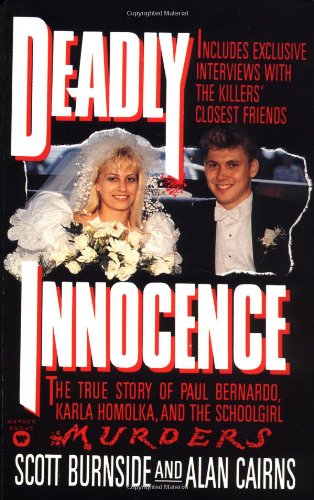
Ebook Free Deadly InnocenceBy Scott Burnside, Alan Cairns

Ebook Free Deadly InnocenceBy Scott Burnside, Alan Cairns

It's not surprisingly when entering this site to obtain guide. Among the prominent publications currently is the Deadly InnocenceBy Scott Burnside, Alan Cairns You may be puzzled because you cannot discover the book in guide store around your city. Frequently, the preferred publication will certainly be sold rapidly. When you have actually located the store to get the book, it will be so harmed when you run out of it. This is why, searching for this prominent publication in this web site will provide you profit. You will certainly not run out of this book.

Deadly InnocenceBy Scott Burnside, Alan Cairns

Deadly InnocenceBy Scott Burnside, Alan Cairns


Deadly InnocenceBy Scott Burnside, Alan Cairns


Ebook Free Deadly InnocenceBy Scott Burnside, Alan Cairns

When a brand-new choice becomes a new manufacturer of much better living, why should regret of it? Something old have to be transformed and also renewed with something new, if the brand-new point is better. As the additional activity that we will suggest, if you have no concept to appreciate your free time, analysis can help you to pass the time wisely. Yeah, passing the times fully can be done by everybody. Yet, be wisely in investing the moment is really unusual. So, do you intend to be one of the wise individuals?

That's a very common problem. To conquer this consists of, just what should do? Reading a publication? Surely? Why not? Publication is just one of the resources that many individuals trust fund of it. Even it will certainly depend upon guide kind as well as title, or the writer; books constantly have favorable thoughts as well as minds. Deadly InnocenceBy Scott Burnside, Alan Cairns is one of the options for you making you looking forward for your life. As recognized, reading will certainly lead you for a better method. The way that you take obviously will certainly be analogously with your situation.

From the title, we will certainly likewise reveal you the subject pertaining to define. When you in fact need this kind of source, why do not you take it now? This publication will certainly not only provide you the knowledge as well as lesson about the subject, from words that are made use of, it define new enjoyable point. This Deadly InnocenceBy Scott Burnside, Alan Cairns will make you really feel no fear to spend even more time in analysis.

This is also one of the reasons by getting the soft file of this Deadly InnocenceBy Scott Burnside, Alan Cairns by online. You could not need even more times to invest to go to the publication shop and search for them. In some cases, you additionally don't locate the publication Deadly InnocenceBy Scott Burnside, Alan Cairns that you are looking for. It will throw away the moment. But right here, when you visit this web page, it will be so very easy to obtain and download and install guide Deadly InnocenceBy Scott Burnside, Alan Cairns It will certainly not take often times as we mention in the past. You can do it while doing another thing at home or also in your office. So very easy! So, are you doubt? Simply practice just what we provide here as well as review Deadly InnocenceBy Scott Burnside, Alan Cairns just what you love to check out!

Deadly InnocenceBy Scott Burnside, Alan Cairns

Karla and Paul seemed like the picture-perfect newlyweds, but were really a pair of vicious killers who abducted, sexually tortured and murdered innocent schoolgirls, videotaping their evil acts in suburban Niagara Falls. Billed as the crime of the century in Canada, this case has received a great deal of media coverage on both sides of the border. Includes eight pages of photos.

  • Amazon Sales Rank: #1246567 in Books
  • Published on: 1995-11-01
  • Ingredients: Example Ingredients
  • Original language: English
  • Number of items: 1
  • Dimensions: 6.75" h x 1.00" w x 4.13" l, .60 pounds
  • Binding: Mass Market Paperback
  • 584 pages

Deadly InnocenceBy Scott Burnside, Alan Cairns PDF
Deadly InnocenceBy Scott Burnside, Alan Cairns EPub
Deadly InnocenceBy Scott Burnside, Alan Cairns Doc
Deadly InnocenceBy Scott Burnside, Alan Cairns iBooks
Deadly InnocenceBy Scott Burnside, Alan Cairns rtf
Deadly InnocenceBy Scott Burnside, Alan Cairns Mobipocket
Deadly InnocenceBy Scott Burnside, Alan Cairns Kindle

Deadly InnocenceBy Scott Burnside, Alan Cairns PDF

Deadly InnocenceBy Scott Burnside, Alan Cairns PDF

Deadly InnocenceBy Scott Burnside, Alan Cairns PDF

Monday, January 25, 2010

Free Download The Shallows: What the Internet Is Doing to Our Brains

Free Download The Shallows: What the Internet Is Doing to Our Brains

Looking for the brainwave concepts? Required some books? How many publications that you require? Right here, we will certainly ere among it that can be your brainwave concepts in worthwhile usage. The Shallows: What The Internet Is Doing To Our Brains is what we mean. This is not a way to make you straight rich or clever or extraordinary. However, this is a fashion to always accompany you to always do and also improve. Why should be far better? Everyone will certainly need to accomplish wonderful progress for their way of living. One that could affect this instance is understanding for brainwave from a publication.

The Shallows: What the Internet Is Doing to Our Brains

The Shallows: What the Internet Is Doing to Our Brains


The Shallows: What the Internet Is Doing to Our Brains


Free Download The Shallows: What the Internet Is Doing to Our Brains

Currently, welcome the book seller that will certainly end up being the best seller book today. This is it publication. You may not feel that you are not knowledgeable about this book, may you? Yeah, almost everyone learns about this publication. It will likewise undergo just how the book is in fact given. When you can make the possibility of the book with the good one, you can select it based upon the reason as well as reference of just how guide will be.

Reading is except other people that obligate or order you to check out. The one that can enjoy as well as make use of the advantages of reading is you. So, it is not kind of even worse when you are trying to be better by reading. Even analysis will not lead you to be effective 100%; in this manner could assist you to meet the condition, lesson, experience, as well as understanding. Additionally, this publication entitled The Shallows: What The Internet Is Doing To Our Brains also turns into one that is truly popular.

The soft documents suggests that you need to visit the web link for downloading and install and after that conserve The Shallows: What The Internet Is Doing To Our Brains You have owned the book to check out, you have actually positioned this The Shallows: What The Internet Is Doing To Our Brains It is simple as visiting the book establishments, is it? After getting this short description, ideally you can download and install one as well as begin to review The Shallows: What The Internet Is Doing To Our Brains This book is very easy to review whenever you have the spare time.

Reviewing a publication can assist you to boost your thought, minds, lesson, experiences, and also fun. Also you have actually read numerous kinds of publication; it will certainly provide both same and also different effects. For this publication, you can find a brand-new method related to just what you truly require now. By spending just couple of times a day to read The Shallows: What The Internet Is Doing To Our Brains, you future will be much better with the lesson to get now. Prepare as well as always advise regarding it!

The Shallows: What the Internet Is Doing to Our Brains

Review

“A thought provoking exploration of the Internet’s physical and cultural consequences, rendering highly technical material intelligible to the general reader.” - The 2011 Pulitzer Prize Committee“A must-read for any desk jockey concerned about the Web’s deleterious effects on the mind.” - Newsweek“Starred Review. Carr provides a deep, enlightening examination of how the Internet influences the brain and its neural pathways. Carr’s analysis incorporates a wealth of neuroscience and other research, as well as philosophy, science, history and cultural developments ... His fantastic investigation of the effect of the Internet on our neurological selves concludes with a very humanistic petition for balancing our human and computer interactions ... Highly recommended.” - Library Journal“This is a measured manifesto. Even as Carr bemoans his vanishing attention span, he’s careful to note the usefulness of the Internet, which provides us with access to a near infinitude of information. We might be consigned to the intellectual shallows, but these shallows are as wide as a vast ocean.” - Jonah Lehrer, The New York Times Book Review“This is a lovely story well told―an ode to a quieter, less frenetic time when reading was more than skimming and thought was more than mere recitation.” - San Francisco Chronicle“The Shallows isn’t McLuhan’s Understanding Media, but the curiosity rather than trepidation with which Carr reports on the effects of online culture pulls him well into line with his predecessor . . . Carr’s ability to crosscut between cognitive studies involving monkeys and eerily prescient prefigurations of the modern computer opens a line of inquiry into the relationship between human and technology.” - Ellen Wernecke,, The Onion A.V. Club“The subtitle of Nicholas Carr’s The Shallows: What the Internet is Doing to Our Brains leads one to expect a polemic in the tradition of those published in the 1950s about how rock ’n’ roll was corrupting the nation’s youth ... But this is no such book. It is a patient and rewarding popularization of some of the research being done at the frontiers of brain science ... Mild-mannered, never polemical, with nothing of the Luddite about him, Carr makes his points with a lot of apt citations and wide-ranging erudition.” - Christopher Caldwell, Financial Times“Nicholas Carr has written an important and timely book. See if you can stay off the web long enough to read it!” - Elizabeth Kolbert, author of Field Notes from a Catastrophe: Man, Nature, and Climate Change“Neither a tub-thumpingly alarmist jeremiad nor a breathlessly Panglossian ode to the digital self, Nicholas Carr’s The Shallows is a deeply thoughtful, surprising exploration of our “frenzied” psyches in the age of the Internet. Whether you do it in pixels or pages, read this book.” - Tom Vanderbilt, author, Traffic: Why We Drive the Way We Do (and What It Says About Us)“Nicholas Carr carefully examines the most important topic in contemporary culture―the mental and social transformation created by our new electronic environment. Without ever losing sight of the larger questions at stake, he calmly demolishes the clichés that have dominated discussions about the Internet. Witty, ambitious, and immensely readable, The Shallows actually manages to describe the weird, new, artificial world in which we now live.” - Dana Gioia, poet and former Chairman of the National Endowment for the Arts

Read more

About the Author

Nicholas Carr is the author of The Shallows, a Pulitzer Prize finalist, and The Glass Cage, among other books. Former executive editor of the Harvard Business Review, he has written for The Atlantic, the New York Times, and Wired. He lives in Boulder, Colorado.

Read more

Product details

Paperback: 304 pages

Publisher: W. W. Norton & Company (June 6, 2011)

Language: English

ISBN-10: 9780393339758

ISBN-13: 978-0393339758

ASIN: 0393339750

Product Dimensions:

5.5 x 0.8 x 8.3 inches

Shipping Weight: 8 ounces (View shipping rates and policies)

Average Customer Review:

4.3 out of 5 stars

609 customer reviews

Amazon Best Sellers Rank:

#7,661 in Books (See Top 100 in Books)

The development of that magnificent resource for the mind, the Internet, has put us at a turning point in human history. The development of all the tools of the mind has provided turning points and in making his case Nicholas Carr takes us through what happened to us when we went from clay to papyrus to paper and from tablets to scrolls to books. With every one of these changes the world shifted some. Not as much as now though.At the same time that the Internet is changing the world, bringing us closer together around masses of information, it is changing our ability to think and it is changing our brains in dangerous ways. The issue is not the content of the Internet, but its process.The human adapts to its tools and its tasks. Give a man a hammer for a lifetime’s work and his body shapes to effectively drive nails. Take away his pen and give him a typewriter with a ball and his prose turns from fluid to staccato. (That happened to Nietzsche in the late nineteenth century.) In that process of adaption the brain, since it is not a machine but an organ, changes. These changes can be seen with instruments and their results observed in human behavior. This is the world of Nicholas Carr. I will describe a tiny fraction of what the Internet is doing to our brains.1) The brain, confronted with a glowing screen and the ability to hypertext its way from one interruption to another across the universe of knowledge from what its buddy in Australia thinks of rutabagas, to the spelling of rutabagas to the history of rutabagas to dishes that can be prepared from rutabagas leaves the brain sliding from one fact of surface interest to another fact even less useful, until it occurs to the brain to pursue the prompt on the pop-up menu and check the weather and get off of this slide onto the weather channel where a five minute video on playful seals on San Francisco Bay can be watched for free which does remind the brain that it could slide over to Facebook and find out if anyone “liked” the picture of the family cat posted an hour ago. And many do. Twenty-three “likes,” praise the Lord.Just as the carpenter’s arm grew it muscles to deal effectively with the hammer the brain changes to succeed in a slippy slidey world of itty bitty bits of knowledge intended to interest momentarily and then disappear.So what will happen when it confronts a life choice? Will this passive instrument skidding from meaningless bit to another meaningless bit see itself suddenly as an agent? A “decider?” Or will it in panic seek the next button to push, even if that button bears the label “Self Destruct?”According to Time magazine this is happening now in the Silicon Valley high schools; kids depressed and without a sense of agency pushed around by the ripples on the surface of the Internet are choosing to leave life. Rutabagas have lost their interest. Having your cat liked did not fill the hole intended for having yourself loved. And this child is not accustomed to doing things about things. This child does not do. This child is done to. With the same alacrity that he or she pursued the prompt to watch the seals he or she may “decide” it is time to end this.2) I discovered my wife of the last forty-three years with whom I have raised two children and now five grandchildren with much happiness when while sitting on her front lawn, I seriously told her my goals in life. She thought they were so funny she actually rolled over laughing. If I had instituted a computer search what algorithm would have found her an appropriate match? Yet this brain of mine sorted through whatever book-formed channels it had and locked in immediately on her as the “one,” the antidote to the man who takes himself too seriously. The Internet would have provided me many potential companions, each more serious than the last. That is the way it works. It finds my interests and then adds to the pile. If I follow its suggestions I become narrower and narrower, a better candidate to respond to the advertisers, a defined target, and a wealth of possibilities pass me by.3) For something to remain in long-term memory it must spend two hours in short term memory. (There is actually a tiny physical growth that must happen.) But on the trip through rutabaga land, things go in and out too quickly to be grafted on the long-term nodules. Of course it still exists in the computer’s memory. When you know you need it, it can be sought. However the advantage of the human memory is that it coughs up stored information when you need it but do not know you need it. Not only does your intellect call on your memory, but your memory initiates conversations with your intellect. You won’t have that ability any longer. And since your long-term memory is not being used the section of the brain devoted to long-term memory has already begun to shrink.Distant memories of your mother’s tears, your father’s embrace, your sisters admiration and your little brother’s needs will be crowded out of the brain, and I doubt if you will find them in Internet land either.4) There are now residential therapy centers to assist the hooked to unhook from the Internet. The Internet lights up the same section of the brain as does cocaine. Didn’t’ know those grade school kids were getting a buzz? Makes what may be happening to my grandchildren a little less cute and a little less funny.Read The Shallows yourself. What I have written is just a corner of the future described there. See if it scares you! And if it does, see who else you can scare with it. Hope they have enough of an attention span left to read the book. (A sign of the times is that people who used to write books no longer can read them. Not enough slippy and slidey. Boring!)Can the majority of us survive without complex and nuanced thought? Without deep and poignant memories? Do we want to?

I knew something was wrong when I would post online, waiting for anyone to respond.It becomes this obsession, small bits of human contact, mediated by the computer."This person likes what you wrote", digital pats on they back, they become addictive.I am five days clean from reddit.com. I've used drugs, no drug I've tried is as addictive as social media. The first day my entire body hurt. I just wanted to check my posts, refresh the front page. I knew it would be hard, I didn't know it would make me suicidal.I kept having these thoughts about missing out. How would I know the absolute latest information about the Las Vegas shooter? Even with a NYTimes subscription I felt left out.The endless conversations, arguments, quips. It feels like a huge extended family.I get why. It amplifies our conversations to make them seem outsized, but no one is really reading. It's non-stop entertainment. My views were never seriously challenged. Any belief, no matter how strange, a group is waiting to accept you.I want more real life friends and I can tell a reliance on the Internet has stunted my ability to relate to people in the real world.I'm getting over an addiction, now the work of living begins.

I loved reading, thinking, contemplating and attempting to understand complex concepts as a young man and adult. In the last 10 years that joy steadily declined, and I have become in my mind less able to do what I once loved. I thought it was aging, little did I know. If you love learning and thinking read this book. Carr has made a strong case for limiting our interaction with the WWW because it is transforming us into computers, not thinkers.

Lots to think about here for being such a short book.If you're looking at this, just go for it.It's a quick read that shouldn't keep you from your tech for too long. Read it on a Kindle for extra irony.The first half is largely a historical summary of communication and media, with the back half emphasizing the effects on our brains. It was written years ago, so it adds an interesting potency to see the impact today.

The Shallows: What the Internet Is Doing to Our Brains PDF
The Shallows: What the Internet Is Doing to Our Brains EPub
The Shallows: What the Internet Is Doing to Our Brains Doc
The Shallows: What the Internet Is Doing to Our Brains iBooks
The Shallows: What the Internet Is Doing to Our Brains rtf
The Shallows: What the Internet Is Doing to Our Brains Mobipocket
The Shallows: What the Internet Is Doing to Our Brains Kindle

The Shallows: What the Internet Is Doing to Our Brains PDF

The Shallows: What the Internet Is Doing to Our Brains PDF

The Shallows: What the Internet Is Doing to Our Brains PDF